Disclaimer: This article is for informational purposes only and does not constitute legal, tax, or financial advice. Consult a licensed real estate attorney and CPA before making decisions about the sale of your property.
You've Owned It for Years. Now What?
Maybe you inherited the building from your parents. Maybe you bought it decades ago and the equity has grown far beyond what you expected. Maybe you are simply ready to move on.
Whatever brought you here, the question is the same: what does selling actually look like?
For many longtime Bay Area owners, this is the first time they have sold a multifamily property. The process is different from selling a house — there are tenants, more paperwork, and bigger financial decisions involved. Here is what to expect, step by step.
Step 1: Talk to a CPA First
Before anything else, understand your tax situation.
Selling a building you have owned for years can trigger capital gains taxes, depreciation recapture, California state taxes, and the federal Net Investment Income Tax. Without planning ahead, a significant portion of your proceeds can disappear before you ever see them.
A good CPA will help you model the numbers and determine whether a 1031 exchange — which allows you to defer taxes by reinvesting into another property — makes sense for your situation. This conversation should happen before you list, not after.
Step 2: Choose the Right Broker — and Choose Carefully
This is one of the most important decisions you will make in this process.
Not every real estate agent is equipped to sell an apartment building. You want a broker who specializes in multifamily — someone who knows how to price income property, understands Bay Area rent control laws, and has a network of qualified buyers ready to move.
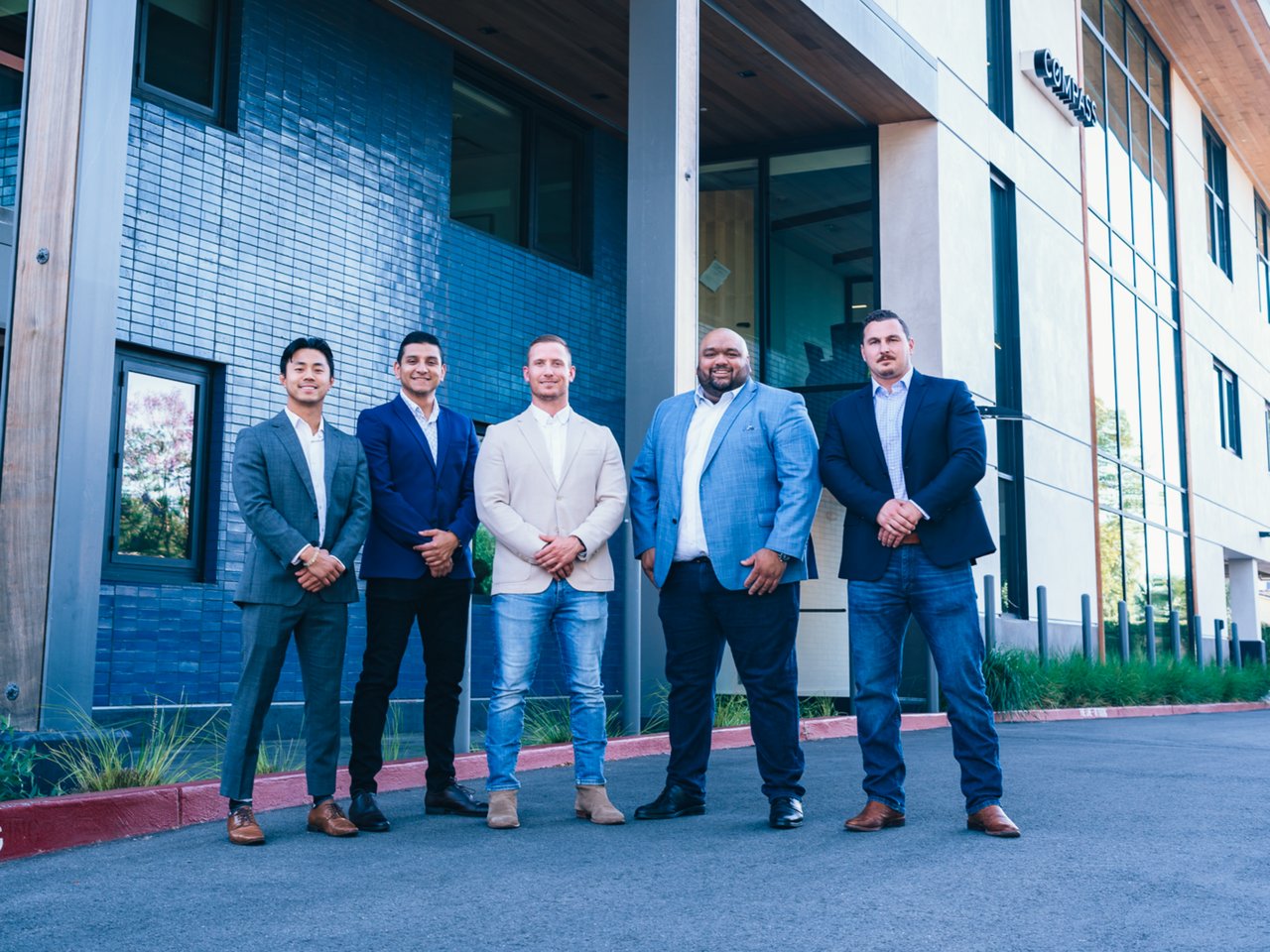
The R&Z Group specializes exclusively in multifamily real estate across the Bay Area — from duplexes to 100+ unit apartment communities. With hundreds of millions in closed transactions, they know how to position your property, create competition among buyers, and negotiate the outcome you are looking for. For owners selling for the first time, having a team that communicates clearly and walks you through every step is not just helpful — it is essential.
When evaluating any broker, ask about their recent comparable sales, how they plan to market your property, and how they handle communication throughout the process.
Step 3: Get Your Financials in Order
Buyers of apartment buildings are buying income — so the first thing every serious buyer will ask for is documentation of that income.
Before going to market, gather:
- Rent rolls — every unit, monthly rent, lease type, and move-in date
- 12 to 24 months of operating statements
- Copies of all leases
- Utility bills, property tax statements, and insurance costs
- Capital improvement records
The more organized your records, the smoother your sale. Gaps or inconsistencies slow things down and create doubt with buyers. The R&Z Group helps sellers prepare this package from the start so nothing catches you off guard during due diligence.
Step 4: Know Your Obligations to Tenants
Selling your building does not change your tenants' rights. Their leases remain in effect — the new owner assumes all obligations at closing. A sale alone is not grounds for eviction under California law.
During showings, California law requires at least 24 hours written notice before entering any occupied unit. Excessive or disruptive access creates legal exposure.
For most Bay Area apartment buildings more than 15 years old, AB 1482 and local rent control ordinances apply additional rules around tenant transitions. The R&Z Group has handled tenant-occupied sales across Oakland, San Jose, Hayward, and throughout the Bay Area — and guides sellers through tenant communication in a way that is professional, compliant, and keeps transactions on track.
Step 5: Go to Market
Once your broker prepares an Offering Memorandum — a document that presents the property, its income, and the investment opportunity — your building goes to market.
The R&Z Group markets directly to their established network of qualified buyers, including private investors, partnerships, and family offices actively looking for Bay Area multifamily assets. That direct access shortens the time between listing and offers — and creates the buyer competition that drives your final price up.
Step 6: Review Offers and Open Escrow
Your broker will help you evaluate each offer — not just on price, but on buyer strength, financing, contingency terms, and likelihood of closing. The highest offer is not always the best offer.
Once you accept and both parties sign the purchase agreement, escrow opens. A neutral third-party escrow company coordinates the transaction — holding funds, managing documents, and ensuring all conditions are met before ownership transfers. Most multifamily transactions close escrow in 30 to 45 days.
Step 7: Navigate Due Diligence
During escrow, the buyer inspects the property and reviews all leases, financials, and operating history. They may come back with requests — a price reduction, a repair credit, or additional documentation. Your broker negotiates on your behalf.
The R&Z Group's approach to transaction management keeps deals moving. Sellers who come to market well-prepared — organized financials, clean records, informed tenant communication — move through due diligence faster and with fewer surprises.
Once the buyer removes contingencies in writing, the deal moves to closing.
Step 8: Close and Collect Your Proceeds
When all conditions are met, the buyer's funds are wired to escrow, the deed is recorded with the county, and ownership transfers. Your proceeds are distributed after paying off any existing mortgage, fees, and closing costs.
If you are doing a 1031 exchange, proceeds go directly to a qualified intermediary — and your 45-day window to identify a replacement property begins the day escrow closes. The R&Z Group works alongside clients and their CPAs to help identify replacement properties and keep the exchange on track.
What Longtime Owners Often Don't Expect
It takes longer than you think. From the first conversation to closing day, most transactions take three to six months when you factor in preparation, marketing, and escrow. Plan accordingly.
Your net proceeds depend on more than the sale price. After taxes, mortgage payoff, and closing costs, the actual take-home number can look very different from the headline price. Work this out with your CPA before you list.
The right broker makes a measurable difference. In a transaction of this size, communication, market knowledge, and negotiation skill directly affect your outcome. This is not the place to cut corners.
FAQ
How long does it take to sell an apartment building in the Bay Area?
Most transactions take three to six months from start to close. Marketing and offers typically take four to eight weeks, and escrow generally runs 30 to 45 days once an offer is accepted.
Do my tenants have to move out when I sell?
No. Tenants' leases remain in effect when the property sells. The new owner assumes all lease obligations. A sale alone is not grounds for eviction under California law.
What is a 1031 exchange and should I do one?
A 1031 exchange lets you defer capital gains taxes by reinvesting proceeds into another qualifying property. It has strict timelines and rules — talk to your CPA before deciding if it fits your situation.
What documents do I need to sell my apartment building?
At minimum: current rent rolls, 12 to 24 months of operating statements, copies of all leases, utility bills, property tax records, and capital improvement history. Your broker should help you organize all of this before going to market.
If you're looking to sell a multifamily property in San Jose, Oakland, Redwood City, San Mateo, Burlingame, Daly City, Hayward, Palo Alto, Menlo Park, Santa Clara, Sunnyvale, Berkeley, or Concord — or anywhere across the Bay Area and beyond — The R&Z Group is the multifamily real estate broker built for investors who expect results. Whether it's a duplex or a 100-unit apartment complex, from maximizing your sale price to navigating a 1031 exchange into a stronger-performing asset, we bring local market expertise, financial precision, and a proven track record to every transaction. Contact us today to discuss your multifamily investment goals.
Contact The R&Z Group:
Ray Rodriguez | (650) 405-0743 | Lic# 01999734
Tony Zizzo | (650) 770-8356 | Lic# 01962093