
Two Metrics, Two Different Questions
Cap rate and cash-on-cash return come up in nearly every multifamily conversation — but they are not measuring the same thing. In a competitive market like the Bay Area, using the wrong metric to evaluate a deal can cost you.
Cap Rate: The Market's Language
Cap rate measures a property's return based on NOI relative to its purchase price — with no consideration of financing.
Cap Rate = NOI ÷ Purchase Price
A 10-unit building in San Mateo selling for $3,000,000 with an NOI of $165,000 carries a 5.5% cap rate. It's an apples-to-apples tool for comparing assets and understanding how the market values a property — regardless of how you plan to finance it.
Use cap rate when comparing properties, pricing a sale, or evaluating 1031 exchange replacements.
Cash-on-Cash Return: Your Actual Performance
Cash-on-cash return measures what you earn on the cash you invested — after debt service.
Cash-on-Cash Return = Annual Pre-Tax Cash Flow ÷ Total Cash Invested
Using the same property with 30% down ($900,000) and $36,000 in annual cash flow after mortgage payments, your cash-on-cash return is 4.0%. This is the metric that tells you whether the deal actually works for your situation.
Use cash-on-cash when evaluating leveraged returns, comparing financing scenarios, or stress-testing a deal against today's interest rates.
Key Differences at a Glance
| Cap Rate | Cash-on-Cash Return |
|---|---|---|
Accounts for financing? | No | Yes |
Best used for | Comparing assets | Evaluating your return |
Affected by interest rates? | No | Yes |
Why You Need Both
When interest rates climbed above 7%, many Bay Area properties showed reasonable cap rates but negative cash-on-cash returns after debt service. Investors relying on cap rate alone got caught off guard. The asset hadn't changed — the financing environment had.
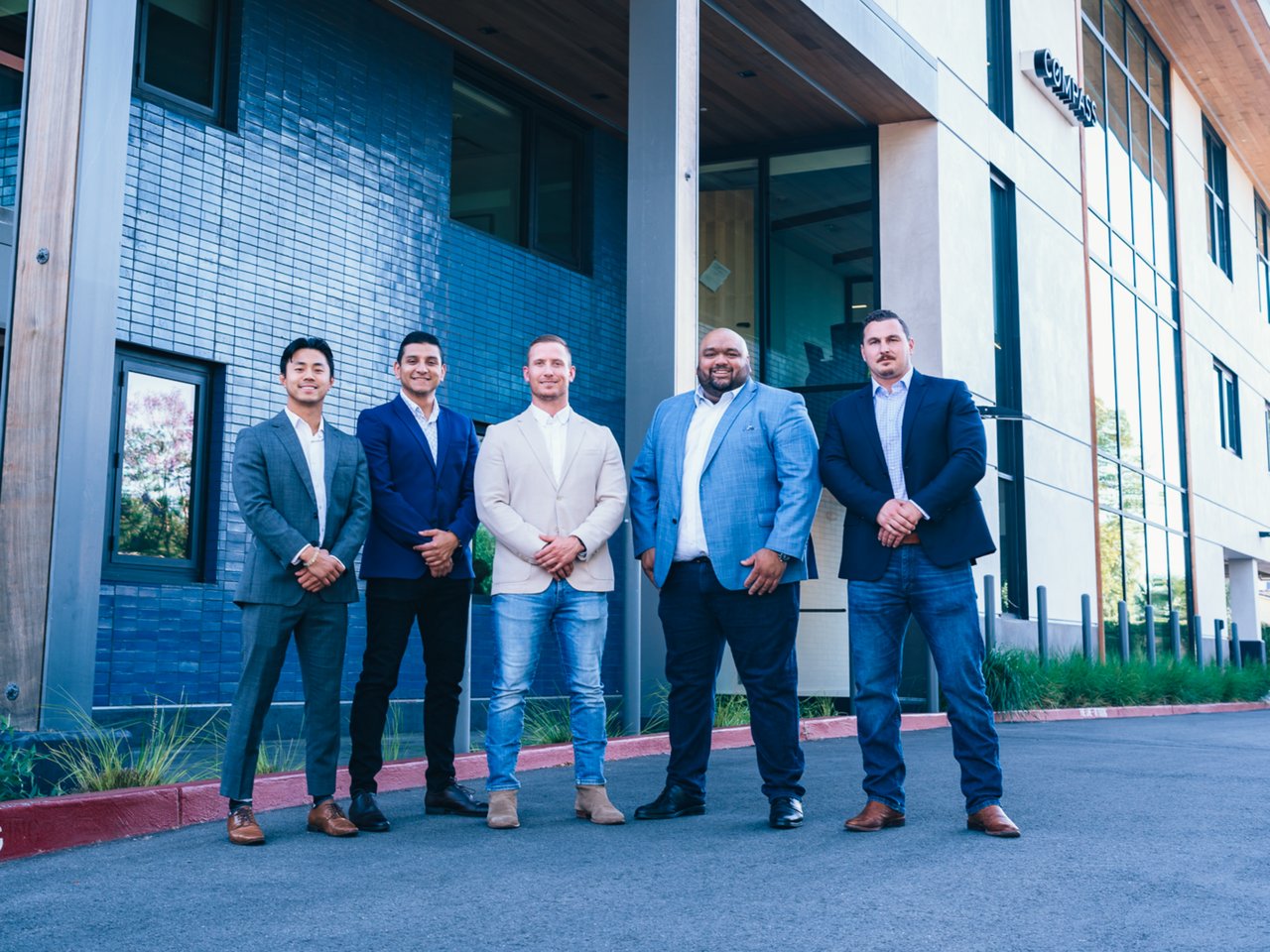
The R&Z Group works with multifamily buyers and sellers across the Bay Area — from duplexes to 100+ unit apartment communities — bringing the financial precision and market expertise needed to evaluate deals accurately in any rate environment.
FAQ
Is a higher cap rate always better? Not necessarily. Higher cap rates often reflect higher risk or less desirable locations. In submarkets like Palo Alto or Burlingame, compressed cap rates are normal given appreciation potential and tenant quality.
What is a good cash-on-cash return in the Bay Area? For stabilized assets, 3–6% is common. What's "good" depends on your goals, down payment, and financing terms.
Can both metrics ever be equal? Yes — if you purchase all cash, cap rate and cash-on-cash return are identical since there's no debt service.
If you're looking to sell a multifamily property in San Jose, Oakland, Redwood City, San Mateo, Burlingame, Daly City, Hayward, Palo Alto, Menlo Park, Santa Clara, Sunnyvale, Berkeley, or Concord — or anywhere across the Bay Area and beyond — The R&Z Group is the multifamily real estate broker built for investors who expect results. Whether it's a duplex or a 100-unit apartment complex, from maximizing your sale price to navigating a 1031 exchange into a stronger-performing asset, we bring local market expertise, financial precision, and a proven track record to every transaction. Contact us today to discuss your multifamily investment goals.
Contact The R&Z Group: Ray Rodriguez | (650) 405-0743 | Lic# 01999734 Tony Zizzo | (650) 770-8356 | Lic# 01962093