
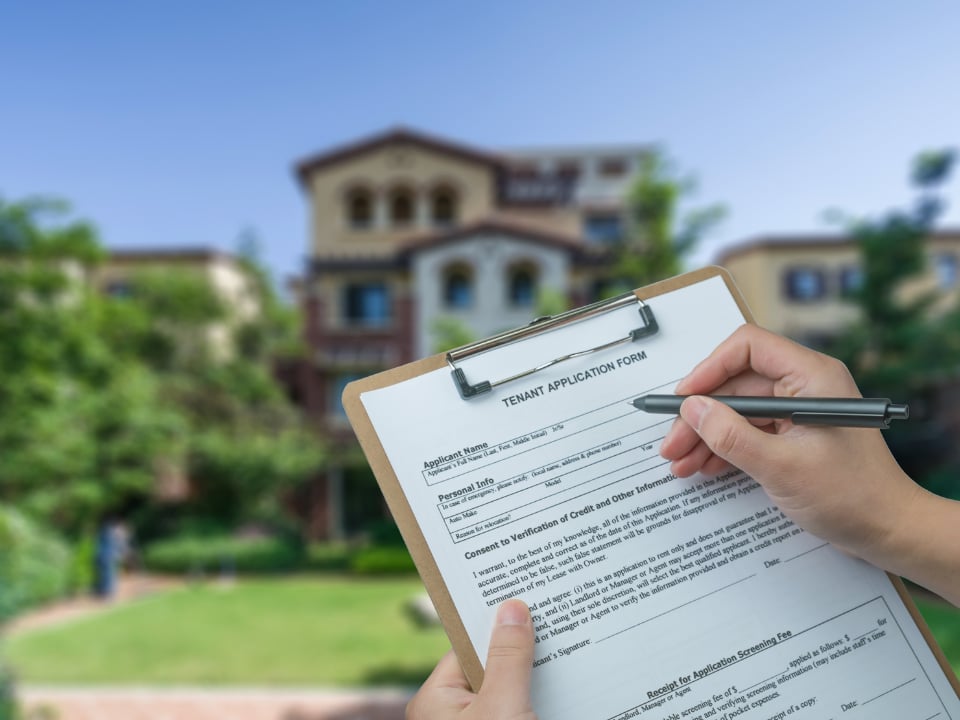
The COVID-19 pandemic created significant financial strain for both tenants and property owners across California. In response, lawmakers enacted new protections designed to prevent long-term housing consequences for renters who experienced pandemic-related income loss. One of the most impactful changes for property owners—especially in competitive, high-demand Bay Area rental markets—is AB 2747, which restricts how pandemic-era eviction records can be used during tenant screening.
As Bay Area multifamily experts in San Jose, Santa Clara, Sunnyvale, Palo Alto, Menlo Park, Redwood City, San Mateo, Burlingame, Daly City, Hayward, Oakland, Berkeley, and Concord, The R&Z Group helps owners navigate this law while maintaining strong investment performance.
What Does AB 2747 Do?
AB 2747 prohibits landlords, property managers, and tenant-screening companies from asking about, reviewing, or using eviction history from March 1, 2020, to August 31, 2022.
This applies to:
-
Rental applications
-
Third-party screening providers
-
Property management internal screening reviews
If an eviction occurred within the protected timeframe, it cannot be used to deny tenancy.
Why This Law Was Passed
During the pandemic, renters across California—especially those in service, hospitality, and retail sectors—experienced sudden income loss due to shutdowns and layoffs. Legislators sought to prevent long-term housing instability by ensuring temporary hardship would not permanently restrict access to housing.
Many Bay Area renters in cities like San Jose, Oakland, Hayward, and Daly City were among the most heavily affected, driving state-level policy responses like AB 2747.
How AB 2747 Impacts Bay Area Property Owners
For multifamily owners in competitive markets—such as Palo Alto, Menlo Park, Sunnyvale, Berkeley, and San Mateo—screening qualified tenants is vital to maintaining stable cash flow.
Understanding AB 2747 is essential to avoid:
-
Fair housing violations
-
Wrongful denial claims
-
Litigation exposure
-
Fines or state enforcement actions
Even in premium markets like Sunnyvale, Burlingame, or San Jose, where demand is consistently high, compliance is non-negotiable.
Key Compliance Steps for Bay Area Landlords
Landlords must not:
✘ Request eviction records from the restricted period
✘ Use screening software that includes pandemic-era data
✘ Ask applicants directly about COVID-era eviction filings
Landlords should:
✔ Confirm all third-party vendors are AB 2747–compliant
✔ Train property managers and leasing teams
✔ Document updated screening criteria
✔ Focus on current financial qualifications, not past hardship
How to Screen Tenants Effectively Under AB 2747
Even with restricted eviction data, owners can—and should—continue to screen rigorously using:
-
Credit history (FICO scores, collections, payment history)
-
Income verification (pay stubs, tax returns, employment letters)
-
Rental references from current and recent landlords
-
Bank statements demonstrating financial stability
-
Proof of savings or reserves
This ensures owners in cities like San Jose, Sunnyvale, Berkeley, and Oakland continue placing reliable tenants while staying compliant.
Why This Matters for Multifamily Investors
Screening remains one of the most important safeguards for:
-
Protecting NOI
-
Reducing turnover
-
Minimizing delinquencies
-
Maintaining long-term asset performance
In markets with strong rental demand—such as Palo Alto, Menlo Park, San Mateo, and Burlingame—limitations on eviction data won’t meaningfully reduce the ability to choose qualified tenants.
Instead, AB 2747 simply reshapes the process to emphasize current financial capacity over pandemic-related events.


