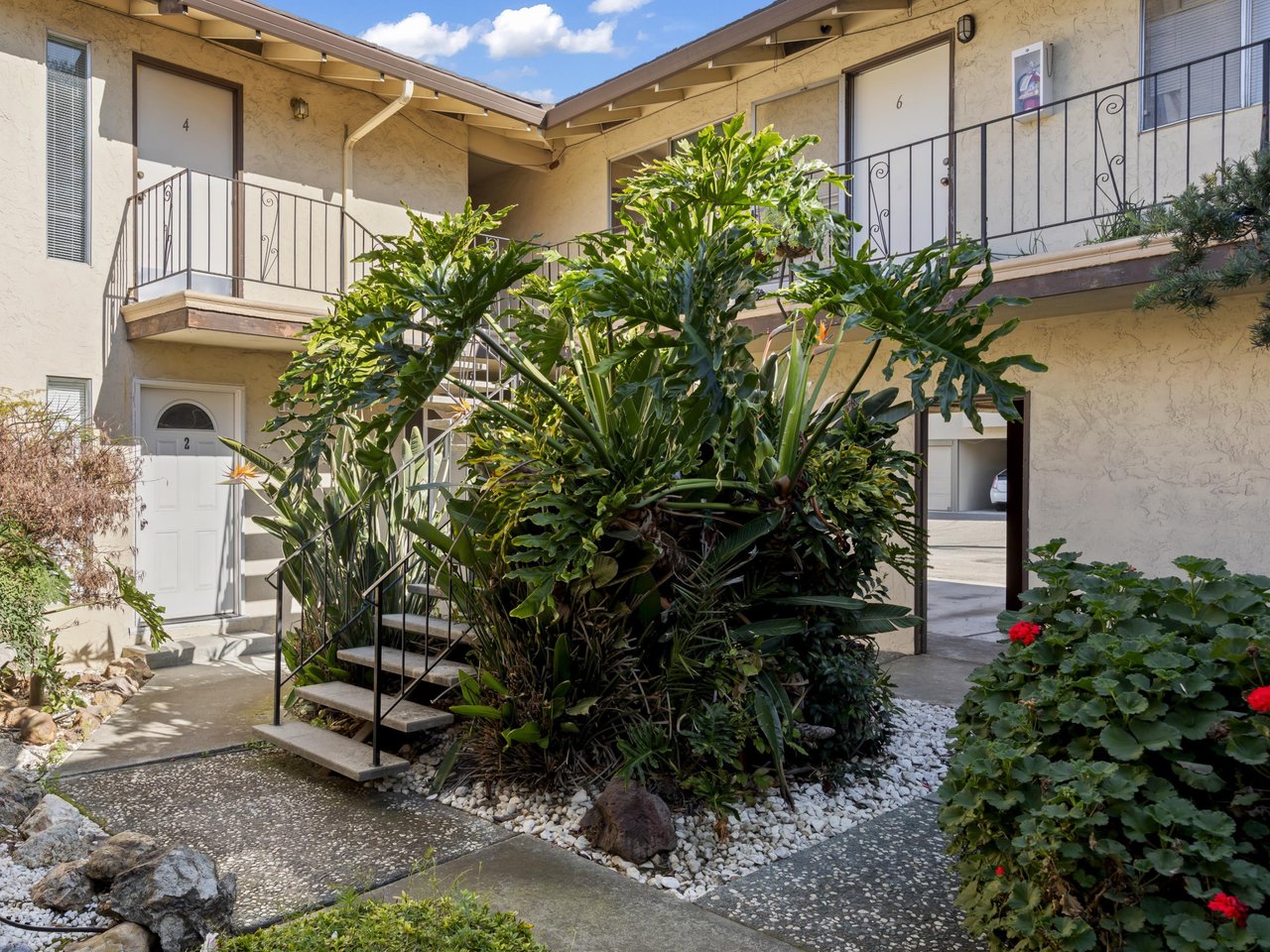
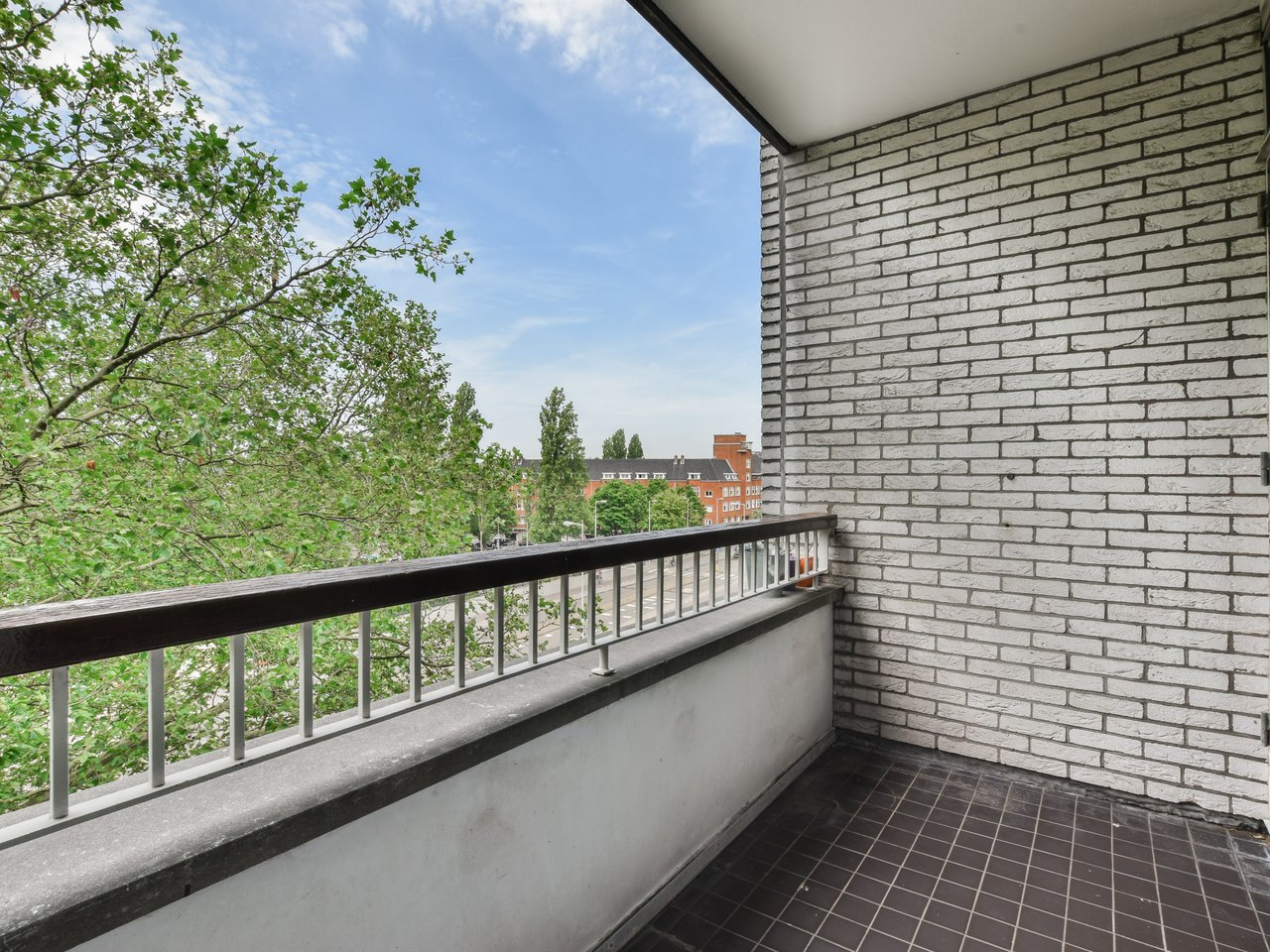
If you own apartments in the Bay Area, the clock is running on SB 721, California’s mandatory balcony and exterior elevated element inspection law. All multifamily properties with three or more units must complete their first inspection by January 1, 2026.
What SB 721 Requires for Bay Area Apartment Owners
SB 721 requires a qualified inspector to evaluate balconies, decks, walkways, exterior stairs, and similar elevated elements. These inspections apply to rental housing across Sunnyvale, Palo Alto, Menlo Park, Redwood City, and the rest of California.
Key requirements include:
-
The first inspection must be completed by January 1, 2026.
-
Inspections recur every six years.
-
Inspectors must be licensed engineers, architects, or certified building inspectors.
-
Any “immediate threats” require rapid repairs.
Why Scheduling Early Matters (Especially in the Bay Area)
Cities like San Mateo, Burlingame, Daly City, and Hayward have thousands of aging buildings with wood-framed balconies.
Start now:
-
Avoid last-minute rush pricing
-
Allow time for bids and repairs if issues are found
-
Reduce liability exposure
-
Keep tenants safe, especially in older buildings built before the 1990s
The Bay Area construction pipeline is already stretched. Scheduling inspections prevent delays that could spill into 2026 and cause legal risk.
What Owners Should Expect During the Inspection
Whether your property is in San Jose, Concord, Santa Clara, or Redwood City, the inspection process is similar.
Inspectors will:
-
Review visible and accessible structural components
-
Check for dry rot, water intrusion, or settlement
-
Test load-bearing elements when appropriate
-
Provide a written report with repair recommendations and deadlines
If significant structural issues are found, owners may need to restrict access to the balcony until repairs are finished.
Repair Timelines and Tenant Communication
If your inspector finds something that counts as an “immediate threat,” owners in the Bay Area must take action quickly.
Typical repair timelines:
-
Immediate hazards: Repair ASAP and restrict access
-
Non-urgent repairs: Usually allowed months for scheduling
-
Follow-up verification is required after work is complete
Owners should keep communication clear and simple. Let tenants know what’s happening, how long it will take, and why the work matters for their safety.