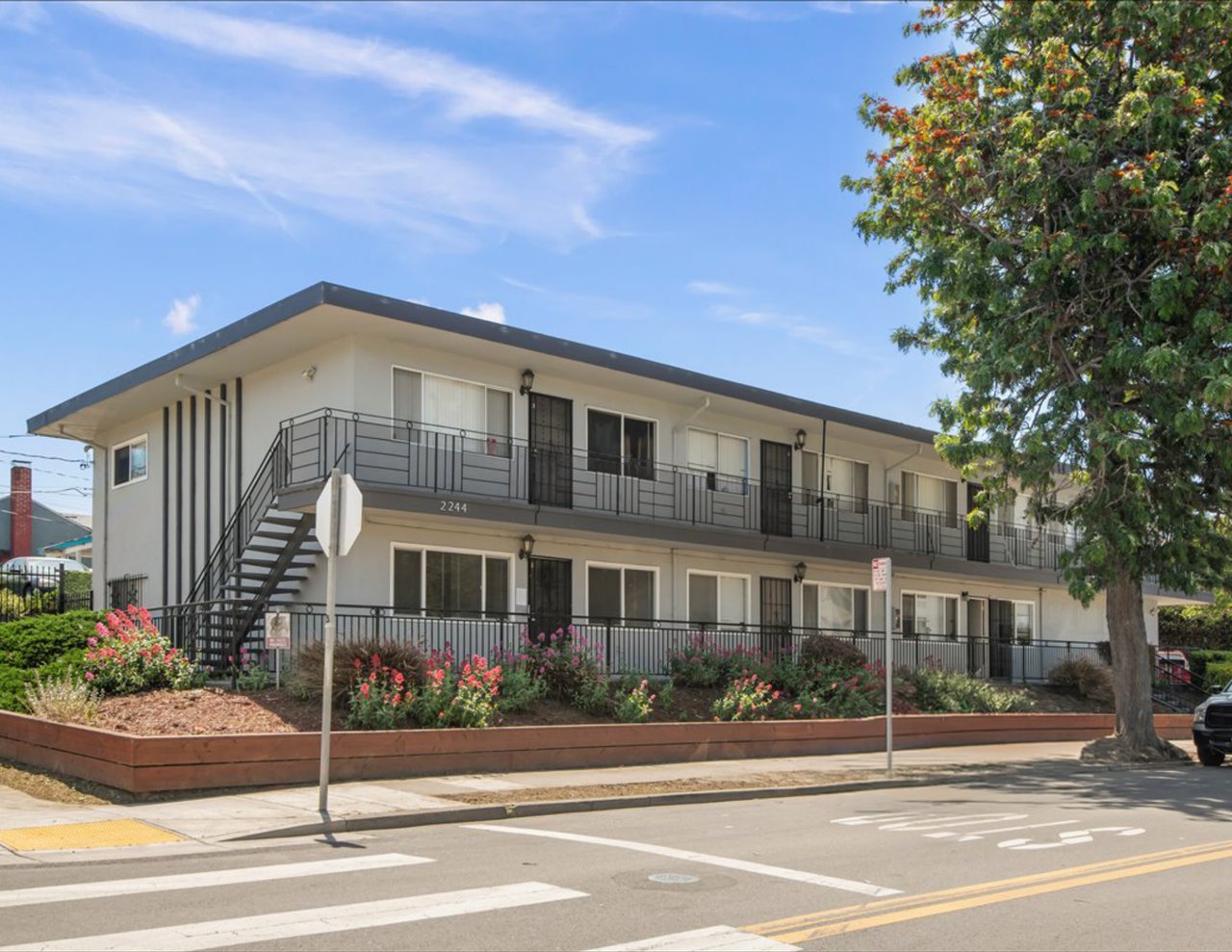

For property owners and multifamily investors, deciding when to sell an apartment building is a strategic move, not an emotional one. The timing can directly affect your sale price, tax exposure, and long-term investment returns.
Whether you own a stabilized 5-unit property or a larger multifamily asset, the right time to sell depends on market conditions, property performance, regulations, and your broader financial goals. If your building is located in high-demand markets like San Jose, San Mateo, or surrounding Bay Area communities, timing becomes even more critical due to price sensitivity and regulatory oversight.
Here’s how to evaluate whether it’s the right time to sell your apartment building.
1. Market Conditions Favor Sellers
One of the strongest indicators it may be time to sell is a favorable multifamily market.
Look for:
-
Low apartment inventory
-
Strong buyer demand
-
Compressed cap rates
-
Rising price per unit
-
Stable or improving lending conditions
When inventory is tight and investors are actively seeking stabilized multifamily properties, sellers typically achieve stronger pricing and better terms.
To evaluate broader economic conditions, monitor:
These sources provide economic indicators such as population growth, housing supply trends, and interest rate data that influence multifamily property values.
2. Your Property Has Reached Peak Performance
If your apartment building is fully leased, operating efficiently, and producing strong net operating income (NOI), you may be at peak value.
Investors often sell after:
-
Completing renovations
-
Raising rents to market levels
-
Improving management efficiency
-
Stabilizing occupancy
Buyers pay premiums for stabilized multifamily properties with predictable cash flow.
Holding beyond peak performance can expose you to:
-
Market softening
-
Rising expenses
-
Regulatory changes
If you’ve already executed your value-add strategy and equity growth has plateaued, it may be time to exit.
3. Rent Control or Regulatory Changes Are Impacting Returns
Regulatory shifts can materially affect profitability and long-term risk.
In California, the Tenant Protection Act (AB 1482) limits annual rent increases and affects eviction policies.
Some cities, including Oakland and San Jose, have additional local rent stabilization ordinances.
City of Oakland Rent Adjustment Program
City of San Jose Rent Stabilization Program
If:
-
Rent growth is capped
-
Compliance costs are increasing
-
Operational flexibility is reduced
…it may make sense to evaluate selling before further regulatory changes impact valuation.
Buyers factor regulatory risk into cap rates. The tighter the regulation, the more cautious buyers may become.
4. A 1031 Exchange or Capital Repositioning Makes Strategic Sense
Many multifamily investors sell not because they have to, but because they want to reposition capital.
A 1031 exchange allows you to defer capital gains taxes by reinvesting into like-kind property.
Common reasons to sell and exchange:
-
Trade up into a larger asset
-
Move from active management to passive ownership
-
Diversify geographically
-
Reduce risk exposure
If your equity has grown substantially over the past several years, selling could unlock capital for a more efficient long-term investment strategy.
5. Operating Costs Are Eroding Cash Flow
Even if rental income is stable, rising expenses can reduce your actual return.
Monitor:
-
Property taxes
-
Insurance premiums
-
Maintenance costs
-
Utility increases
-
Vacancy rates
If expenses are growing faster than rental income, your risk-adjusted return may no longer justify holding the property.
Sophisticated investors regularly analyze:
-
Cash-on-cash return
-
Cap rate compared to current market
-
Internal rate of return (IRR) projections
If returns fall below your target threshold, selling may be the rational choice.
6. Personal Financial or Estate Planning Considerations
Sometimes timing is personal.
You may be:
-
Approaching retirement
-
Simplifying your estate
-
Reducing management responsibilities
-
Planning wealth transfer
Apartment buildings often represent significant concentrated wealth. Selling at the right time can simplify estate planning and reduce long-term risk exposure.
This is especially relevant in high-value markets where multifamily appreciation has created large equity positions over time.
Key Question: Are You Maximizing Value by Holding or Selling?
There is no universal answer. The right time to sell an apartment building depends on:
-
Current market conditions
-
Property performance metrics
-
Regulatory environment
-
Tax strategy
-
Personal investment goals
The decision should be data-driven, not emotional.
Contact Us Today
If you’re considering selling your apartment building, R&Z Group provides confidential multifamily property evaluations and strategic guidance.
We help property owners analyze:
-
Current market value
-
Cap rate positioning
-
Regulatory exposure
-
1031 exchange opportunities
-
Buyer demand
Contact R&Z Group today for a detailed apartment building valuation and consultation.
FAQ
How do I know what my apartment building is worth?
A multifamily broker evaluates value based on cap rate, NOI, comparable sales, location, and buyer demand.
Is now a good time to sell an apartment building?
It depends on interest rates, local inventory, regulatory risk, and your property’s performance metrics.
How can I reduce capital gains taxes when selling?
A properly structured 1031 exchange may allow you to defer taxes. Consult a qualified tax advisor.
Does rent control affect apartment building value?
Yes. Rent caps and tenant protections influence buyer demand and cap rates, which affect valuation.
R&Z Group works with property owners and multifamily investors evaluating whether to sell, hold, or reposition apartment buildings. Our advisory approach focuses on market timing, tax efficiency, regulatory awareness, and maximizing sale price.
If you’re assessing the best time to sell your apartment building, we provide data-backed guidance designed to protect your equity and optimize returns.