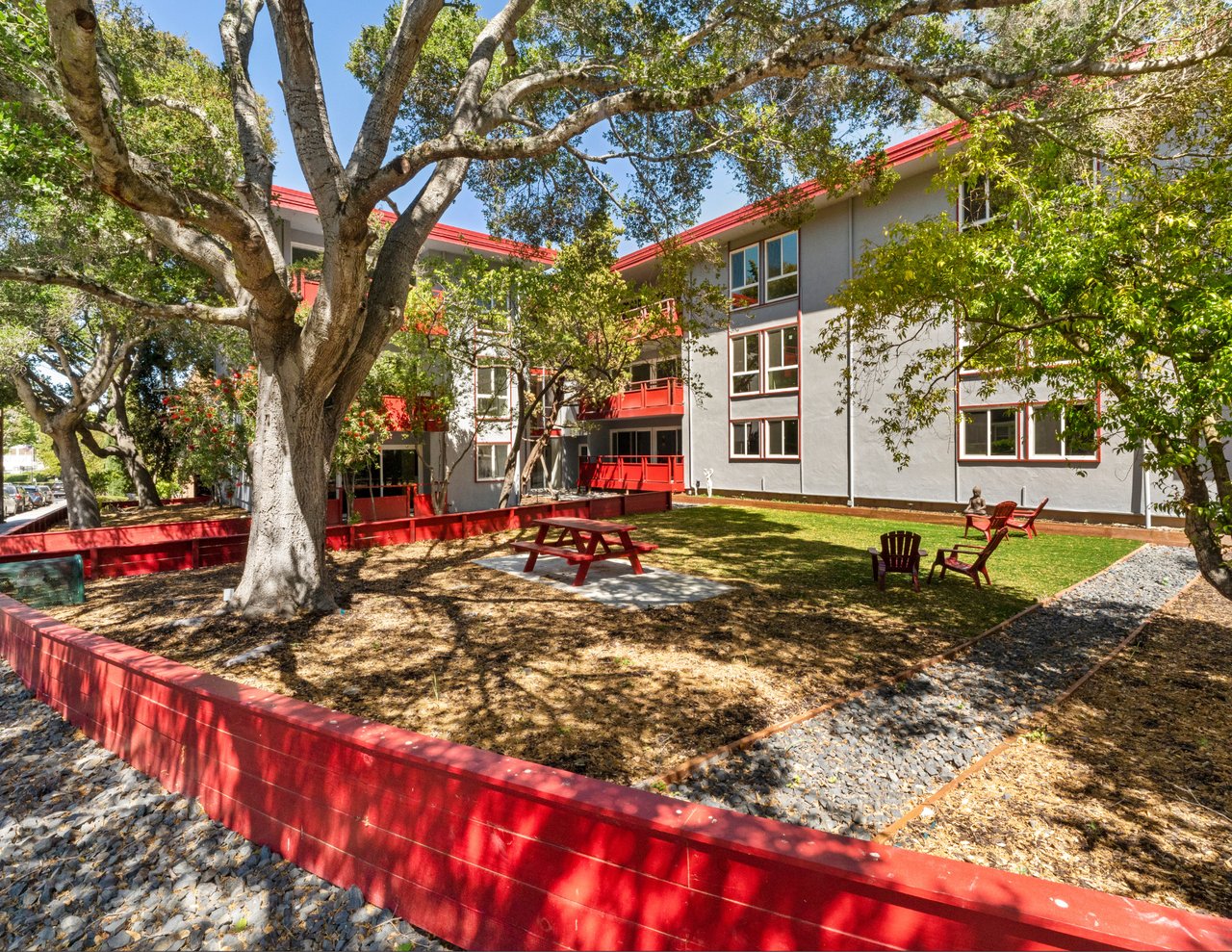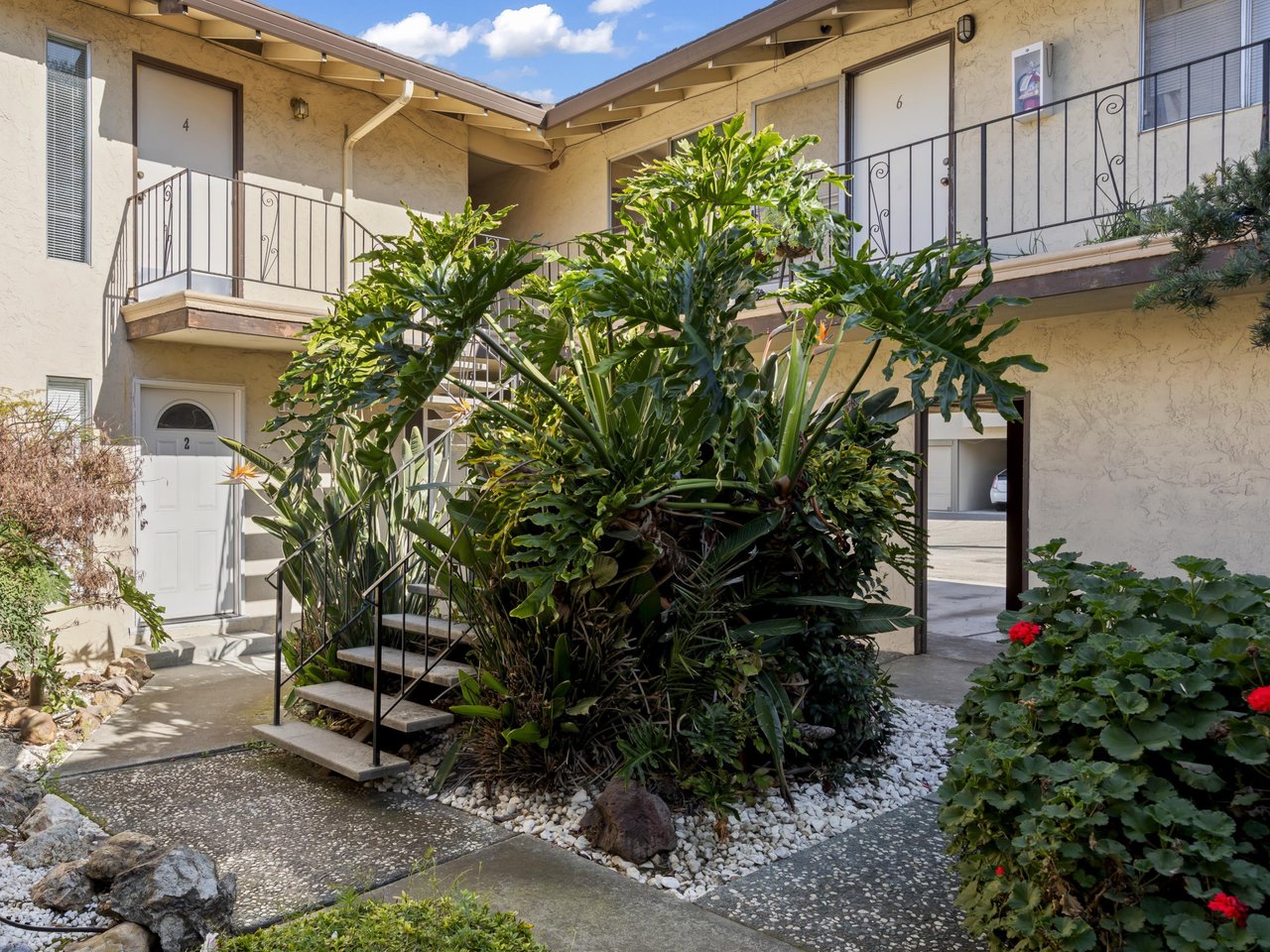

SB 1155: The California Bill Bay Area Multifamily Investors Can't Ignore
California's Senate Bill 1155 would prohibit landlords from evicting federal employees and contractors during a government shutdown — and for 30 days after one ends. Authored by Sen. Lola Smallwood-Cuevas and backed by the American Federation of Government Employees, the bill closes a gap in existing tenant protections that directly impacts the rental market.
For Bay Area multifamily investors, this bill hits closer to home than most. The region's density of federal agencies, military installations, and contractors means federal workers are very likely already in your units.
How SB 1155 Works
SB 1155 is not a blanket rent moratorium. It's process-driven with specific triggers. Here's the breakdown:
- Tenant notification triggers the protection. The tenant must submit written notice and documentation of their federal employment status. It is not automatic.
- Rent is deferred, not forgiven. Payment is delayed until the tenant's first post-shutdown paycheck. You will still collect — just not on your normal timeline.
- No hardship proof required. Federal employment status alone qualifies a tenant. Other household income is not a factor.
- Civil penalties apply for violations. Evicting a qualifying tenant under this bill exposes you to legal liability.
- The protection window is significant. Coverage spans the full duration of a shutdown plus 30 days after federal operations resume.
Why Bay Area Investors Are More Exposed Than Most
The Bay Area has a large federal footprint — SSA offices in Richmond, VA facilities in San Francisco, and a dense network of defense contractors throughout Santa Clara County. Investors in this region have a real chance of this bill applying to current tenants right now, not hypothetical future ones.
Key risks to understand:
- Cash flow timing — A deferral on one or two units creates a gap in monthly collections. If debt service is tight or reserves are lean, that gap matters.
- Documentation exposure — Once a tenant invokes their protections, the interaction becomes formal and procedural. Weak lease language puts you at a disadvantage.
- Legislative momentum — SB 1155 is part of California's consistent pattern of expanding tenant protections during economic disruptions. This bill won't be the last.
What to Do Now
You don't need to overhaul your operations — but a few proactive steps will put you in a much stronger position:
- Review your tenant base and identify any known federal employees or contractors
- Ensure your lease agreements are current with clear communication and documentation requirements
- Consult your real estate attorney about how SB 1155 interacts with your existing lease terms
- Stress-test your reserves against a one-to-two month deferral scenario on one or two units
Frequently Asked Questions
Does SB 1155 apply to all property sizes?
Yes — duplexes to 100+ unit complexes. If a qualifying federal tenant is in the unit, the bill applies.
What happens to unpaid rent during a shutdown?
It's deferred, not forgiven. Tenants owe the full amount and must pay once they receive their first post-shutdown paycheck.
Does the tenant need to prove they can't pay?
No. Federal employment status and documented shutdown impact are sufficient. No financial hardship proof is required.
Are Bay Area landlords more exposed than other California markets?
Yes. The Bay Area's federal employment density makes this bill significantly more applicable here than in most other California markets.
If you're looking to sell a multifamily property in San Jose, Oakland, Redwood City, San Mateo, Burlingame, Daly City, Hayward, Palo Alto, Menlo Park, Santa Clara, Sunnyvale, Berkeley, or Concord — or anywhere across the Bay Area and beyond — The R&Z Group is the multifamily real estate broker built for investors who expect results. Whether it's a duplex or a 100-unit apartment complex, from maximizing your sale price to navigating a 1031 exchange into a stronger-performing asset, we bring local market expertise, financial precision, and a proven track record to every transaction. Contact us today to discuss your multifamily investment goals.
Contact The R&Z Group:
Ray Rodriguez | (650) 405-0743 | Lic# 01999734
Tony Zizzo | (650) 770-8356 | Lic# 01962093